The Art of Living with the Land
Hand-Harvesting Rice and the Living Landscapes of Rural Japan
Where the Harvest Begins
In the Japanese countryside, autumn brings a quiet transformation.
Rice fields turn golden, their heavy heads of grain bending gently toward the earth, ready for harvest.
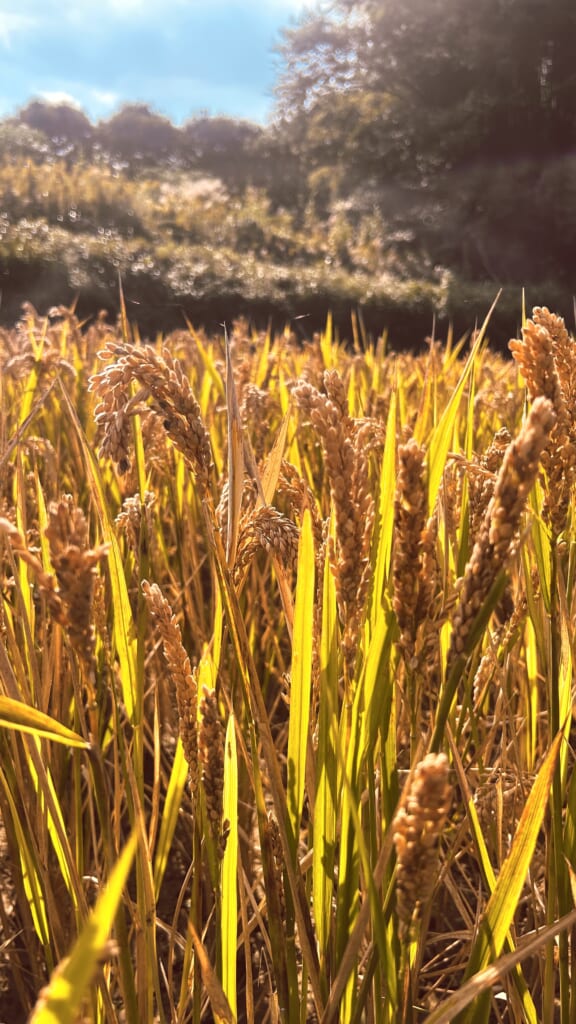
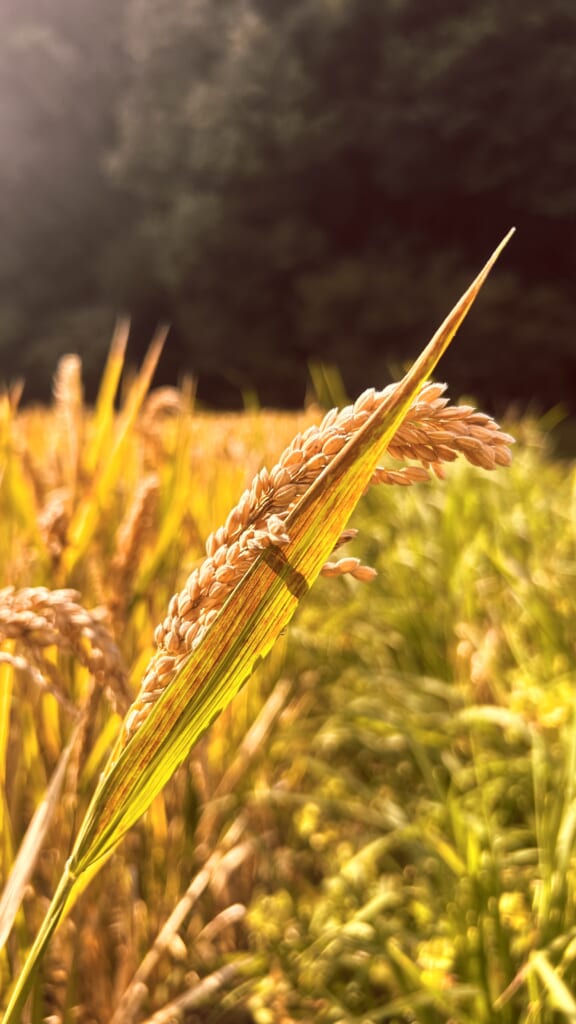
I recently joined a traditional rice harvest, where the rice had been grown entirely without pesticides or chemical fertilizers. Each seedling had been planted by hand in spring, and now, months later, it was time to harvest.
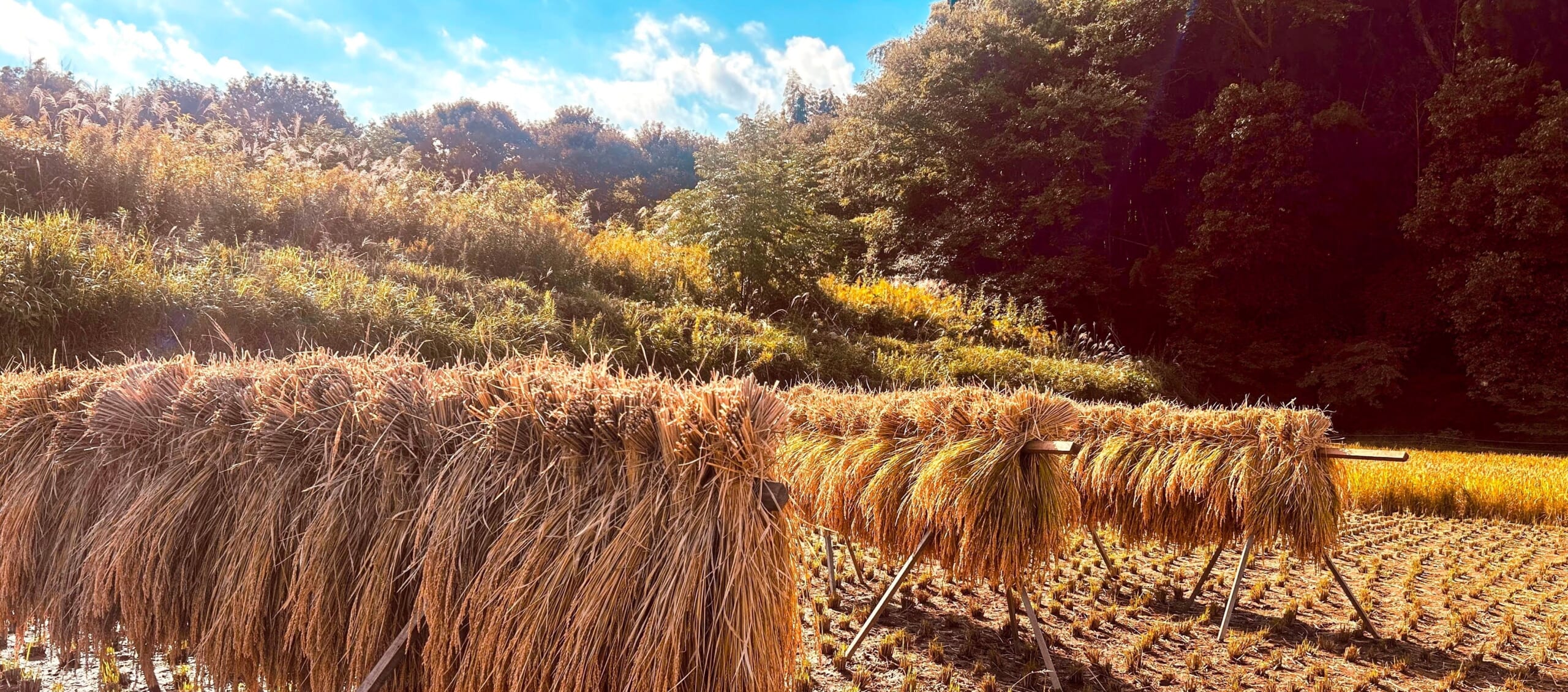
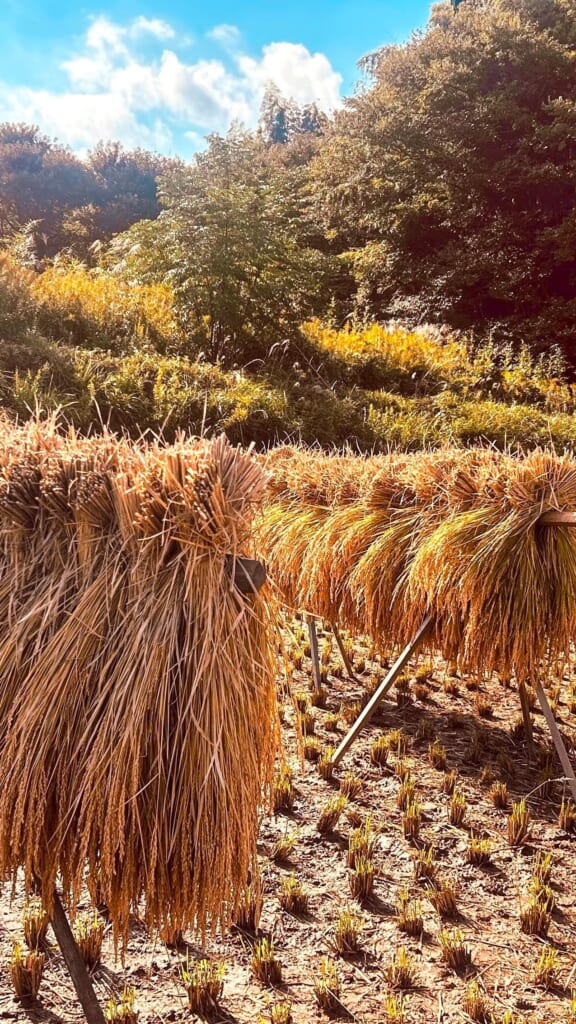
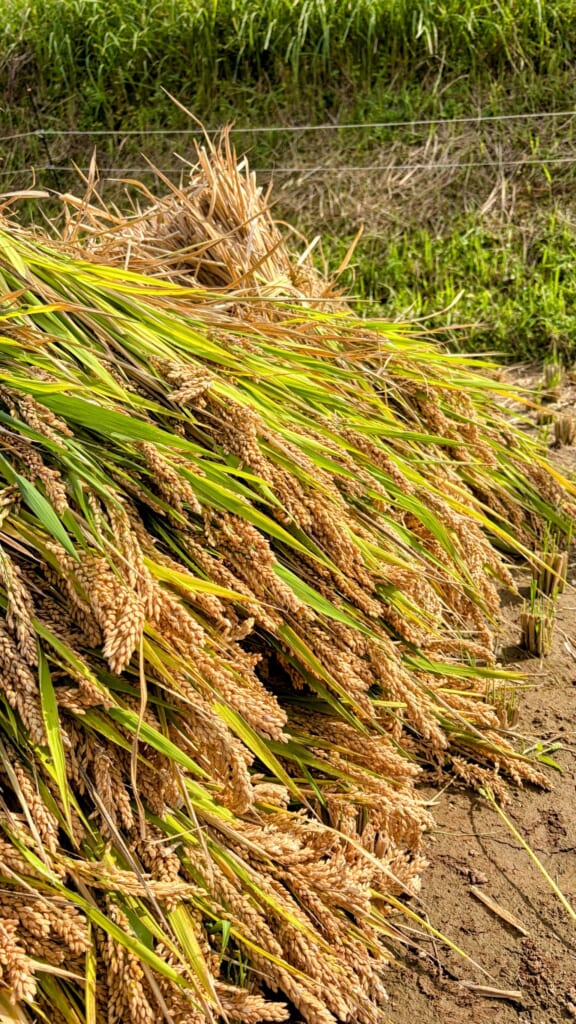
With sickles in hand, we cut the rice stalks, gathered them into bundles, and tied them together before hanging them to dry naturally in the autumn sun.
From planting to harvesting, every step was carried out by hand.
It was a chance to experience the time, patience, and care behind something as familiar as a bowl of rice.
The Sounds and Sensations of Harvest
There is something deeply satisfying about cutting rice by hand.
The crisp, dry sound of the sickle passing through the stalks. The texture of the straw between your fingers. The gentle rustling of rice plants moving in the autumn breeze.
Someone remarked that the sound was almost like ASMR, and it truly was.
The repetitive rhythm of cutting and gathering rice was surprisingly soothing. Surrounded by golden fields under the clear autumn sky, I found myself absorbed in the simple act of harvesting.
We worked together, gathering rice stalks, tying them into bundles, and hanging them to dry in the autumn sun. After the harvest, we sat together and enjoyed onigiri (Japanese rice balls).
These moments reminded me that farming is not only about producing food. It is also about spending time together, sharing work, and connecting with the land.
A Landscape Shaped by Human Hands
What we admire as the beauty of rural Japan is not simply untouched nature. It is a landscape continually nurtured through the everyday lives of the people who inhabit it.
Rice cultivation is one example, but far from the only one.
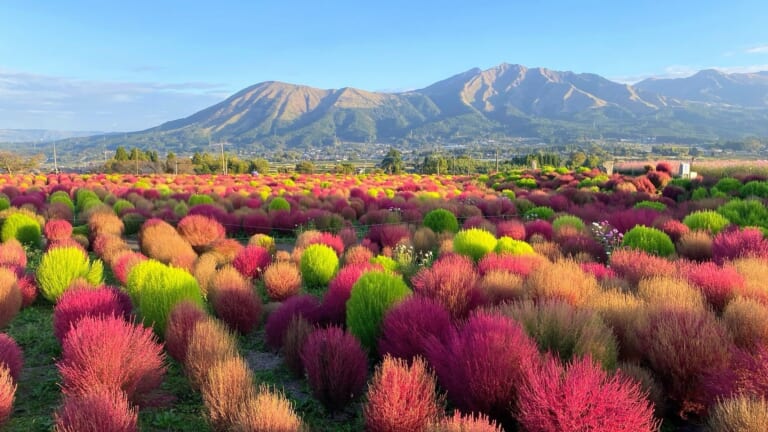
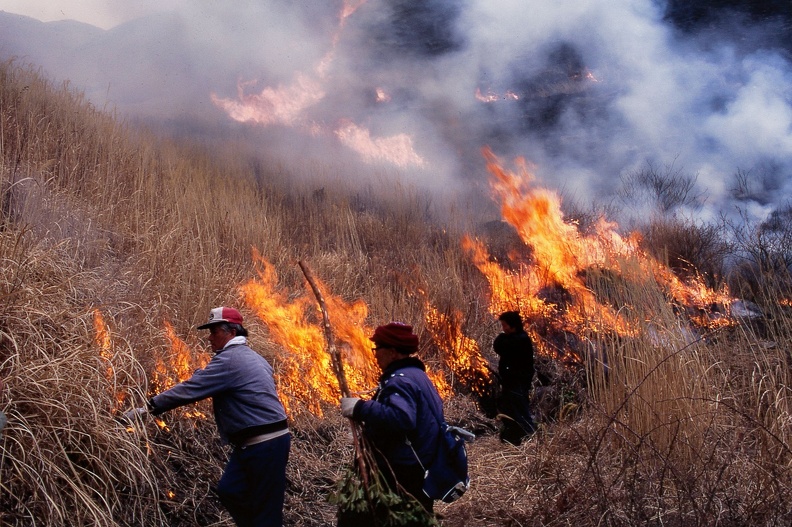
In the grasslands of Aso, controlled burning and grazing have helped maintain open landscapes for generations.
Elsewhere, people cultivate different crops, tend forests, gather seasonal ingredients, and preserve foods through traditional methods.
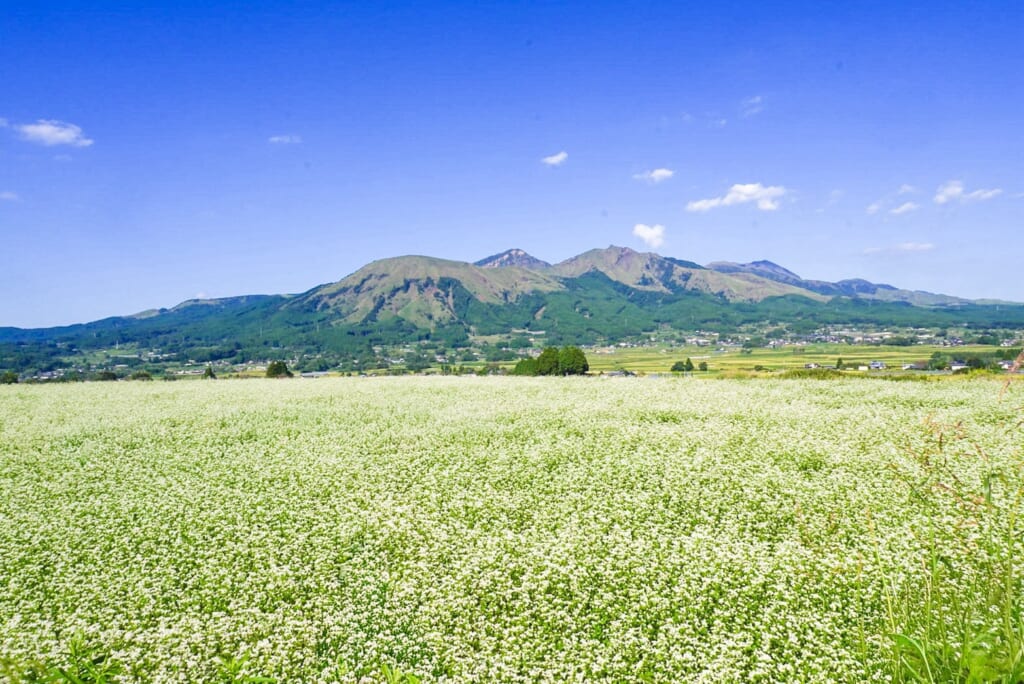
These activities reflect the many ways people have adapted to their environment, making use of local resources while responding to the changing seasons.
Over generations, such practices have become woven into the character of the countryside.
These everyday activities have helped create the landscapes we now recognize as satoyama.
From Rice Fields to Tea Fields
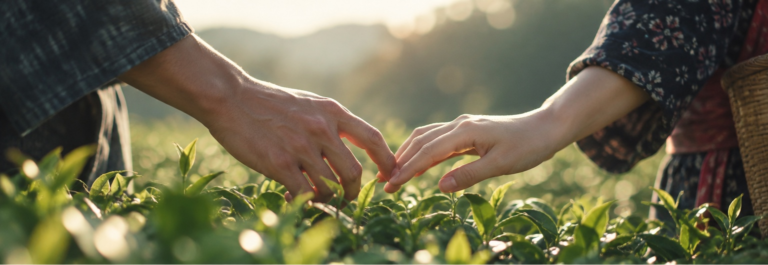
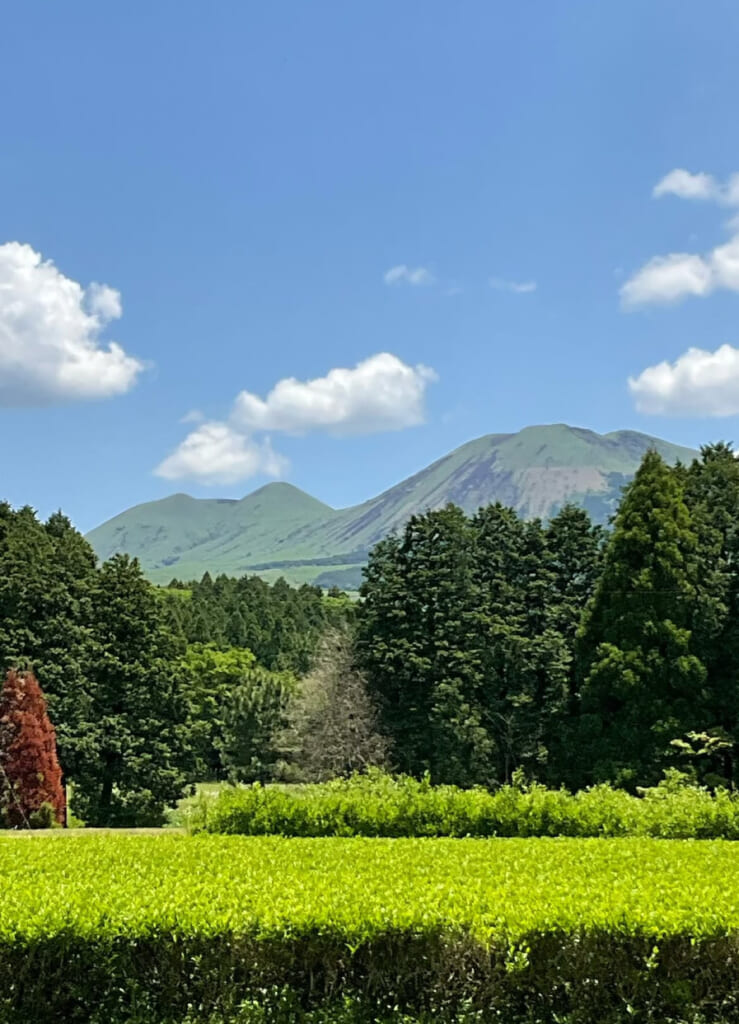
Tea cultivation is another expression of this relationship between people and the land.
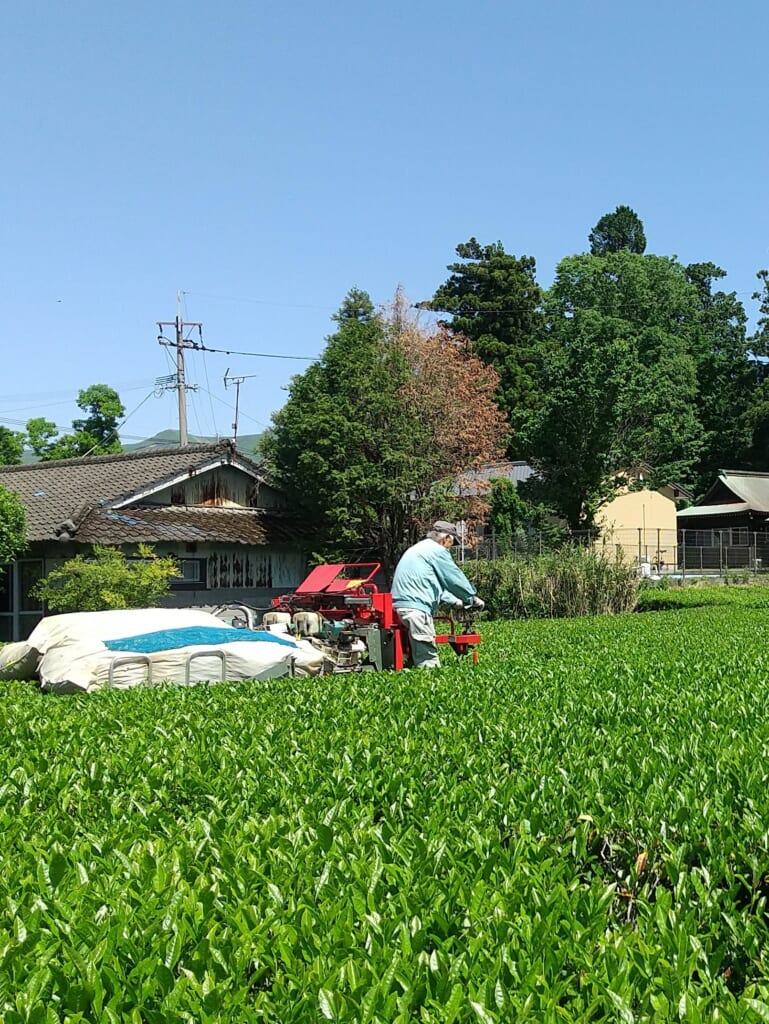
In tea-growing regions, the changing seasons guide the work of farmers, from tending the fields to harvesting and processing the leaves.
The character of tea reflects its surroundings — the soil, water, climate, and the knowledge and care of those who grow it.
Behind every cup of tea lies a landscape shaped by both nature and human hands.
And just like the rice harvest, the work in tea fields offers an opportunity to appreciate the people, traditions, and everyday practices that connect us to the land.
Keeping the Landscape Alive
As rural communities change, many traditional agricultural practices face an uncertain future.
The challenge is not simply to preserve old methods, but to find ways for the knowledge, skills, and connections they represent to remain meaningful for future generations.
Experiencing these traditions firsthand offers a deeper understanding of their value — something that cannot always be appreciated by simply admiring the scenery.
At TeaScape, we hope to share more than the taste of Japan Tea.
Through tea and cultural experiences, we invite visitors to discover the people, traditions, and landscapes that make rural Japan so special.
Because the true beauty of these places lies not only in what we see, but in the lives that continue to shape them.
---
TeaScape | Tea × Escape × Landscape
Discover the spirit of Japan through tea, nature, and local traditions.
📍 TeaScape ー Minamiaso, Kumamoto, Japan